


 Deutsch

Demography | Economics | Applied Blended Challenge
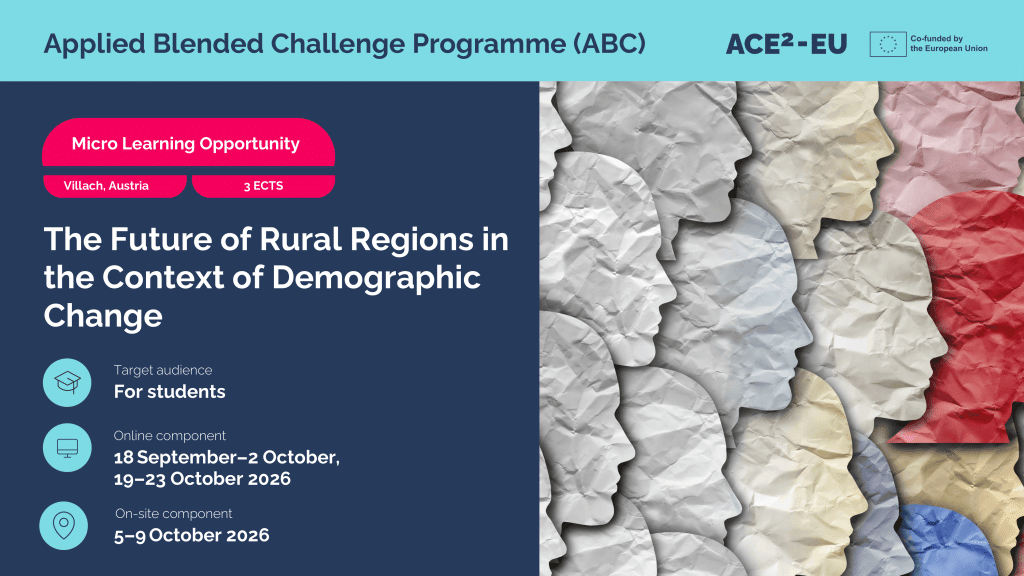
Addressing demographic change is one of the key issues facing rural regions in the future. As part of the Micro Learning Opportunity ‘The Future of Rural Regions in the Context of Demographic Change’, students and lecturers from the European University ACE²-EU – of which CU Carinthia University of Applied Sciences is a member – came together to analyse the impact of population trends, ageing and out-migration on rural areas and to develop potential solutions.
Collaboration between several European universities
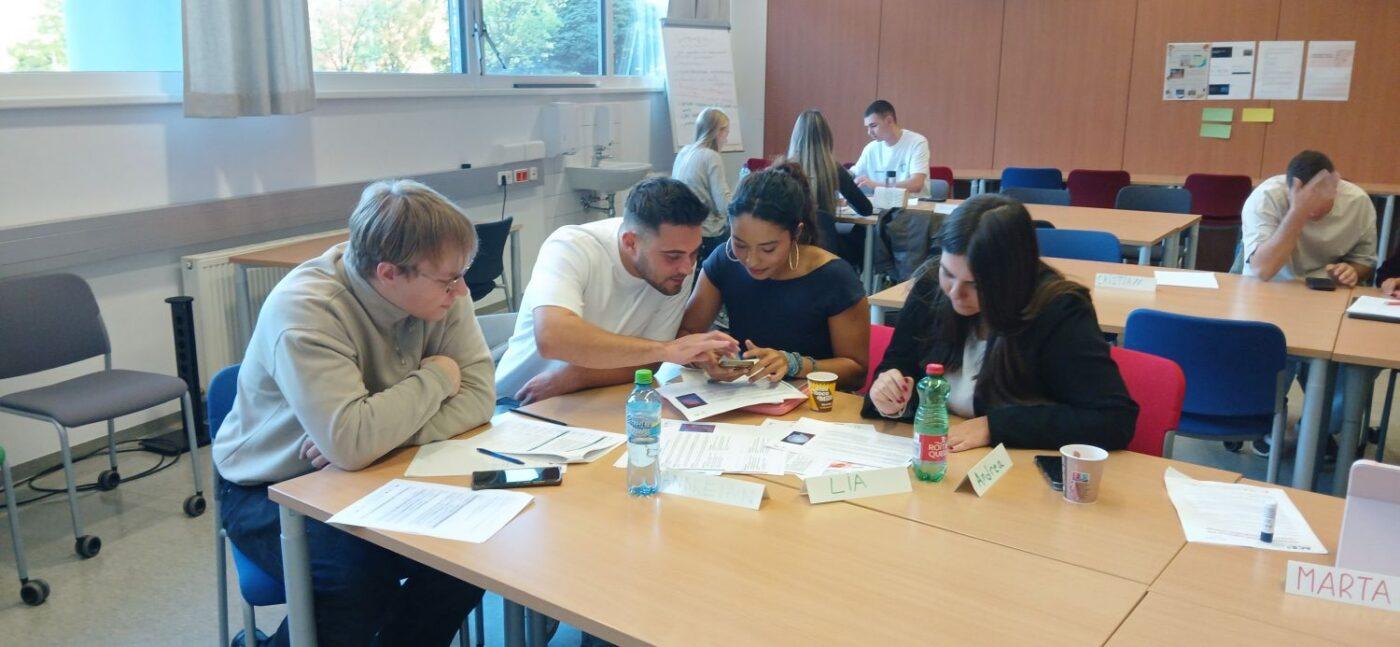
The international learning initiative was carried out as an Applied Blended Challenge (ABC) and combined online learning phases with an intensive week of face-to-face classes in Carinthia. Alongside the organisers Birgit Aigner-Walder and Stephanie Putz from the Faculty of Business & Management and the Institute for Applied Research on Ageing (IARA) at CU Carinthia University of Applied Sciences, Tatiana Ferreira and Stefanie Wrobel – lecturers from Santarém Polytechnic University (Portugal) and Technische Hochschule Ingolstadt (Germany) – also contributed to the learning opportunity. Students from five European universities (North Macedonia, Latvia, Lithuania, Romania and Spain) took part.
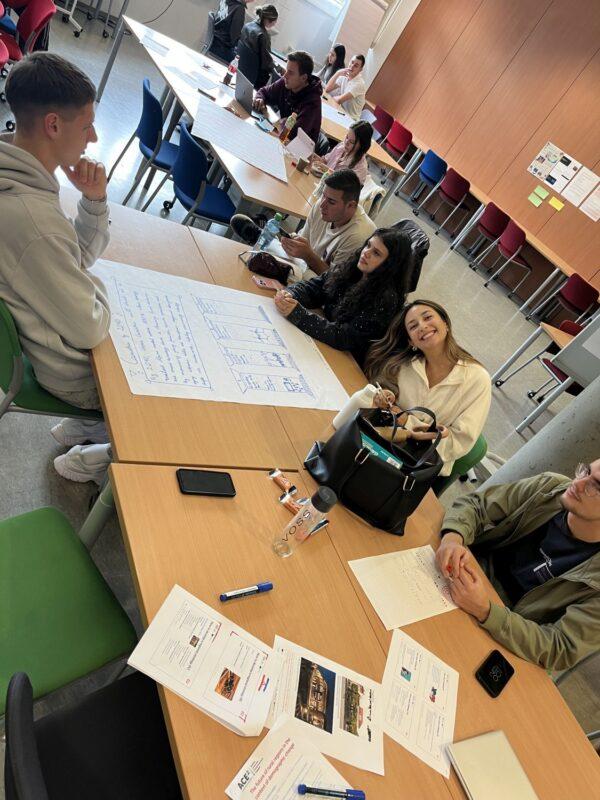


Focus on demographic trends in rural areas
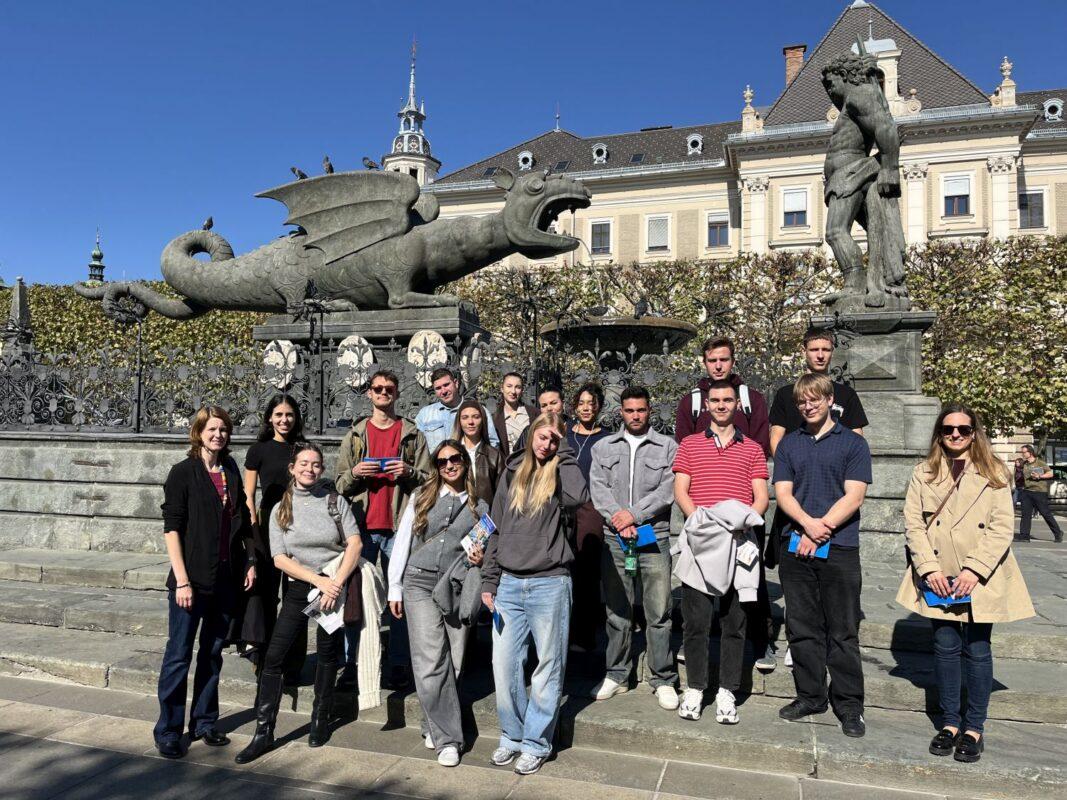
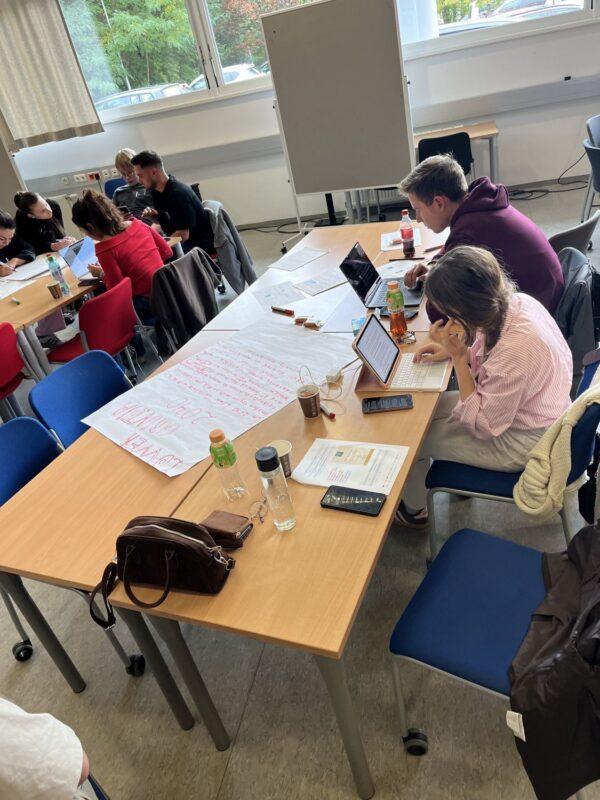
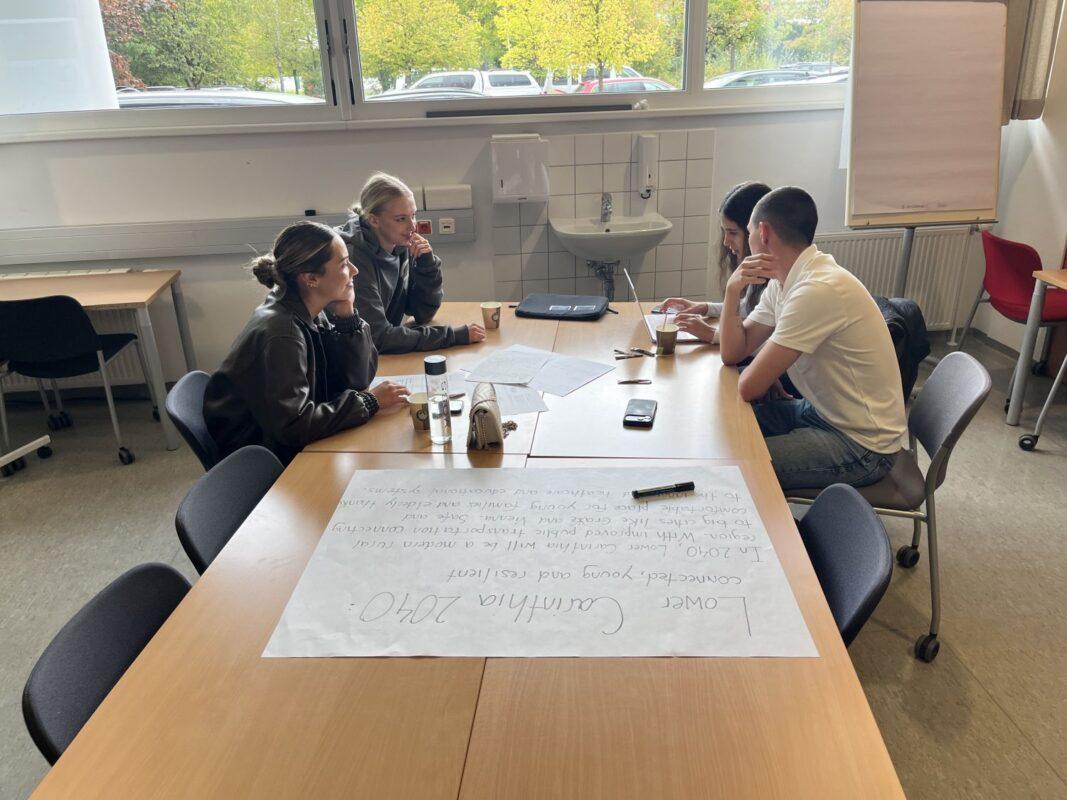
The focus was on analysing demographic developments and their social and economic impacts on rural regions. Using selected case study regions in Carinthia, the students researched and analysed data, discussed the challenges and potential of rural areas, and worked in international teams to develop tailored solutions to current and future issues. As an external stakeholder, the Office of the Carinthian State Government also contributed its practical perspective during an excursion to Klagenfurt.
The Micro Learning Opportunity not only equipped students with expertise in the fields of demographic change, population economics and regional development, but also strengthened their skills in international cooperation, data analysis and the development of practice-oriented solutions. At the same time, it provided a valuable platform for discussion on the future of rural regions and the question of how these areas can remain attractive, liveable and economically successful despite far-reaching demographic changes.
Collaboration within international and interdisciplinary groups provided an opportunity to gain new perspectives and to compare different regional experiences across Europe.